Show Notes
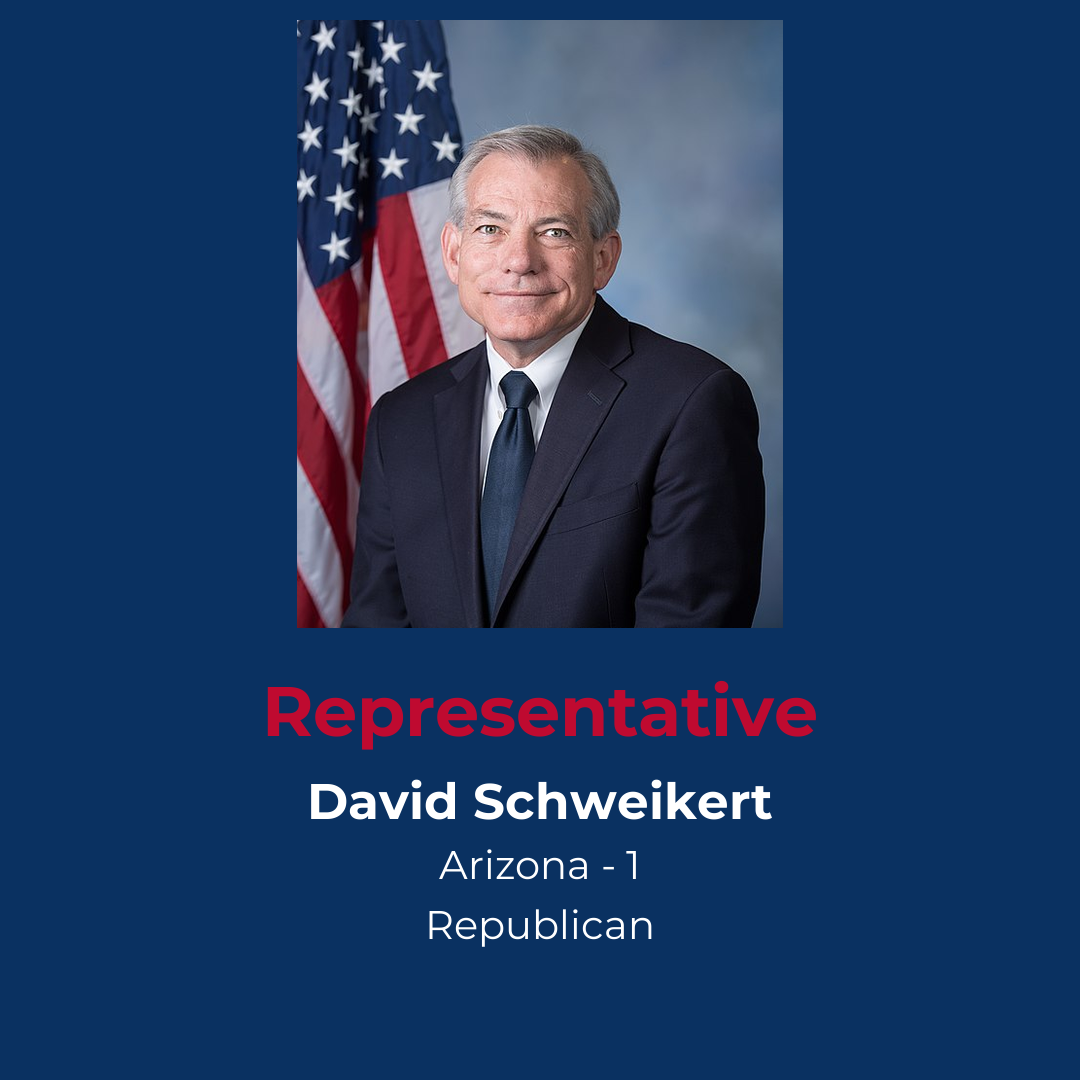
David Schweikert is known as the "Numbers Guy" of the House GOP. As the Chairman of the Joint Economic Committee, he is famous for his frequent floor speeches featuring complex charts about the national debt, where he argues that demographics and healthcare costs—not discretionary spending—are the primary drivers of America's fiscal crisis.
He represents Arizona’s 1st District, a wealthy and highly educated suburban district that covers Scottsdale, Paradise Valley, and Northeast Phoenix. It is one of the most affluent districts in the Southwest and has become a fierce battleground as suburban voters trend purple.
A self-described "techno-optimist," Schweikert is the leading evangelist in Congress for Blockchain and Artificial Intelligence. He co-chairs the Congressional Blockchain Caucus and argues that radical adoption of AI in healthcare (like telehealth and wearable monitors) is the only way to mathematically save Medicare from bankruptcy.
His career has been marred by a significant ethics scandal. In 2020, he admitted to 11 violations of House rules regarding campaign finance and misuse of staff, agreeing to pay a $50,000 fine and accept a formal reprimand. In 2022, his campaign agreed to pay another $125,000 fine to the FEC.
Before Congress, Schweikert served as the Maricopa County Treasurer, where he earned a reputation for fiscal prudence. His personal backstory is compelling: he was born to an unwed teenage mother and adopted, a fact that shapes his strong pro-life stance and support for adoption services.
"He brings his own charts to the House floor and thinks AI can save Medicare. David Schweikert is the accountant who believes technology is the only way out of the debt crisis."
David Schweikert: The Techno-Hawk
If you tune into C-SPAN late at night, you will likely see David Schweikert standing next to a poster board filled with line graphs. While other members give fiery speeches about culture wars, Schweikert gives lectures on actuarial science. He is obsessed with the math of the federal budget. His central thesis is that politicians are lying to the public about the debt; he argues that cutting "woke" programs or foreign aid does nothing to solve the problem because the real drivers are Social Security and Medicare for an aging population.
Schweikert’s solution, however, is not traditional austerity—it is technology. As a co-chair of the Telehealth Caucus and the Blockchain Caucus, he envisions a future where wearable technology and AI doctors drastically reduce the cost of healthcare, thereby saving the federal budget. He calls this the "moral imperative" of innovation.
His path to this philosophy began in Scottsdale, where he grew up as an adopted child. He became a real estate investor and earned an MBA before entering politics. He served in the Arizona State House and as the Maricopa County Treasurer, where he managed billions of dollars in public funds. This financial background is why he landed a spot on the powerful Ways and Means Committee, which oversees tax writing.
However, Schweikert’s tenure has been clouded by ethical lapses. An investigation by the House Ethics Committee found that his office had misused official funds and that his staff had made illegal campaign contributions. The scandal forced him to pay substantial fines and nearly cost him his seat in 2020 and 2022, as his district has shifted from deep red to a toss-up. Despite this, he remains a central figure in GOP economic policy, serving as the Chairman of the Joint Economic Committee in the current Congress.
District Context: Arizona 1st (U.S. Census Data) The Valley of the Sun: This district covers the "East Valley" suburbs of Phoenix, including Scottsdale, Paradise Valley, Fountain Hills, and Cave Creek.
Population: ~800,000.
Demographics:
Wealth: This is the wealthiest congressional district in Arizona. Paradise Valley is known for multi-million dollar estates and luxury resorts.
Education: Highly educated populace; the percentage of residents with a bachelor’s degree or higher is significantly above the national average.
Economic Drivers:
Finance & Tech: A hub for regional banking headquarters, insurance, and a growing tech sector in the "Silicon Desert."
Tourism: Scottsdale is a premier destination for golf (the Waste Management Phoenix Open), spas, and spring training baseball.
Healthcare: The Mayo Clinic has a major campus here, aligning with Schweikert’s focus on medical innovation.
Politics: A "Suburban Swing" district (R+2). Once a Republican stronghold, the district has trended toward Democrats in the Trump era, making every re-election a nail-biter for Schweikert.
Source: U.S. Census Bureau & Scottsdale Chamber of Commerce
#Representative #Arizona #Republican #DavidSchweikert